
Powered By



Duchenne muscular dystrophy (DMD) is a rare genetic disorder that causes muscle weakness and degeneration over time. Each year, an estimated 20,000 children are diagnosed with DMD globally.
In recent years, new treatment options and support devices have helped children and adults with DMD live longer, healthier lives. This article will provide an overview of what causes DMD, how it’s diagnosed, and what therapies are currently available.
Sign up to view the results!
 Continue with Facebook
Continue with Email
Continue with Facebook
Continue with Email
DMD is a rare disease caused when the body doesn’t make a protein called “dystrophin.” Why don’t people with DMD make dystrophin? DMD is caused by mutations (changes) in the dystrophin gene, which provides instructions for producing the protein dystrophin. This protein acts like an anchor that holds muscle cells together, keeping them strong and protecting them from injury. Dystrophin is found in skeletal muscle cells that are responsible for controlling movement and in heart muscle cells.

People with DMD have progressive muscle weakness because their bodies don’t make enough dystrophin protein to hold together and protect muscle cells. As a result, the cells can’t properly attach to nearby tissues, causing them to tear. The damaged muscle fibers are replaced by scar tissue or fat, causing more muscle loss.
The gene mutations that cause DMD are often passed down through family members. Children inherit one set of chromosomes, which control characteristics, like eye color, hair color, and sex, from each parent. Females inherit two X chromosomes from their parents, according to the National Human Genome Research Institute, whereas males inherit one X chromosome from their mother and one Y chromosome from their father.
DMD is known as an “X-linked disease.” The dystrophin gene is found on the X chromosome. If females inherit one X chromosome with a mutated dystrophin gene, they likely have a healthy gene on the other chromosome that provides instructions to make enough dystrophin protein. Females with one defective gene and one healthy gene are called “carriers” because, even though they don’t have DMD, they can still pass it along to their children.
Males inherit only one X chromosome — if they inherit a copy with a mutated gene, there isn’t another one to compensate. This is why Duchenne muscular dystrophy prevalence is higher among males (1 out of 3,500 to 6,000 births) than females (1 in 50,000,000 births), according to research cited in the journal Sleep Science.
Signs and symptoms of DMD typically start appearing in early childhood. Children with DMD tend to miss major developmental milestones. A child with DMD may have a harder time holding their head up, walking, or speaking than other children their age.
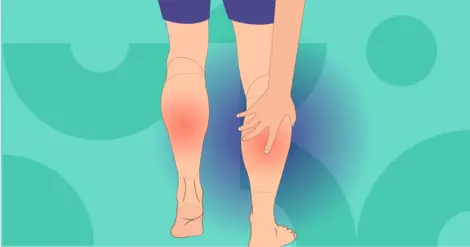
The most obvious signs of DMD are motor or movement symptoms. Muscle weakness in the legs and hips is often the first sign of DMD, which then moves to the neck and arms. Your child may also waddle when they walk (known as a “waddling gait”) or walk on their toes. Children with DMD tend to fall more often and have a difficult time walking up stairs.

When trying to stand from a prone or squatting position, a child with DMD may first assume a hands-and-knees position, then walk their hands up their shins, knees, and thighs until they’re upright. Called Gowers’ sign, this indicates weakness in the hips, thighs, and other leg muscles. Gowers’ sign in adults may also be seen, but it’s usually observed in early childhood.
Other physical signs of DMD include:
Children with DMD may also have learning or behavioral conditions that can affect school performance and quality of life. Behavioral signs and symptoms of DMD include:
Your child or loved one may also have unusual blood test results early in life. Children with DMD often have high blood levels of liver and muscle enzymes, like creatine kinase or alanine transaminase.
If your child or loved one has shown DMD symptoms, you’ll want to talk to their doctor about testing. They may refer you to a doctor who specializes in muscle disorders in children, such as a neurologist. Together, your child’s healthcare team can run several tests to make a final DMD diagnosis. Examples of tests used to diagnose DMD include:
The U.S. Food and Drug Administration (FDA) has approved several treatments for DMD that help control inflammation, slow muscle damage, and improve strength and function. Other supportive therapies help improve mobility and quality of life.
Corticosteroids are laboratory-made hormones that work similarly to the natural hormone cortisol to dampen inflammation. Studies have found that prednisone, prednisolone, and deflazacort (Emflaza) can improve muscle strength, lower the risk of scoliosis, and improve lung function. Vamorolone (Agamree) is a drug that works similarly to steroids to help treat DMD symptoms in people ages 2 and up.
Many children with DMD start taking heart medications by age 10 to help prevent heart disease. For example, blood pressure medications relax blood vessels and take stress off the heart muscle.
Givinostat (Duvyzat) is a nonsteroidal medication and histone deacetylase inhibitor that may help reduce inflammation and delay muscle loss in people 6 and older with DMD.
Exon-skipping drugs correct mutations in the dystrophin gene so it can provide the right instructions for making the dystrophin protein. These therapies treat certain genetic mutations, meaning only some children and adults with DMD are eligible, depending on which exon is affected. The FDA has approved four exon-skipping therapies:
Gene therapy is another type of treatment being studied for DMD. This approach delivers instructions for making a shorter, functional version of dystrophin to help support muscle cells.
The gene therapy delandistrogene moxeparvovec-rokl (Elevidys) is approved for people with DMD ages 4 and older who are ambulatory, meaning they can still walk. It’s not currently approved for people who are nonambulatory. Elevidys isn’t a cure, but it may improve movement in some people. The FDA added a boxed warning for a rare risk of serious liver injury, including acute liver failure. Doctors monitor liver tests closely after treatment, and families may be asked to stay near a hospital for a period of time.
Children and adults with DMD may use mobility aids to help them move around and walk more easily. Walkers, braces, and wheelchairs may all be appropriate, depending on the person’s needs. Respiratory treatments and devices are often needed to help improve breathing.
Physical therapy can help boost your child’s or loved one’s quality of life, strengthening their muscles and enhancing their flexibility. Daily exercises can also help prevent atrophy or muscle wasting.
An unrelated condition that occurs alongside DMD is known as a comorbidity. Children and adults with DMD are more likely to have comorbid conditions such as:
Respiratory and heart problems are also common. By age 18, nearly all children with DMD will develop a type of heart disease known as dilated cardiomyopathy. They may also have breathing difficulty from weakened lung muscles.
In recent years, exon-skipping therapies and respiratory support devices have helped extend the life expectancy of people living with DMD. When doctors and researchers talk about life expectancy and survival, they use the term median overall survival. This refers to the amount of time after which half of the people with DMD continue to live.
A 2021 meta-analysis of several studies found that the median overall survival for people with DMD is 22 years. However, researchers noted a large difference in life expectancy, depending on a person’s age. People born after 1990 living with DMD had a median overall survival of just over 28 years, compared with just over 18 years for people born before 1970. Heart failure is the usual cause of death for people with DMD.
The study showed that the life expectancy of children and adults living with DMD has improved by 10 years over the past few decades. These results are promising, and doctors and researchers hope to keep improving survival rates for those with Duchenne muscular dystrophy.
On myMDteam, people share their experiences with muscular dystrophy, get advice, and find support from others who understand.
Does your child or loved one live with DMD? Let others know in the comments below.
Get updates directly to your inbox.


What diagnostic tests have you or your loved one had for DMD? Share your experiences.


 Continue with Facebook
Continue with Email
Continue with Facebook
Continue with Email
Continue with Facebook
Continue with Email
Continue with Facebook
Continue with Email
Become a member to get even more





 Join
Join


 Your Privacy Choices

This is a member-feature!
Sign up for free to view article comments.
How does dystrophin affect heart muscle?
We'd love to hear from you! Please share your name and email to post and read comments.
You'll also get the latest articles directly to your inbox.