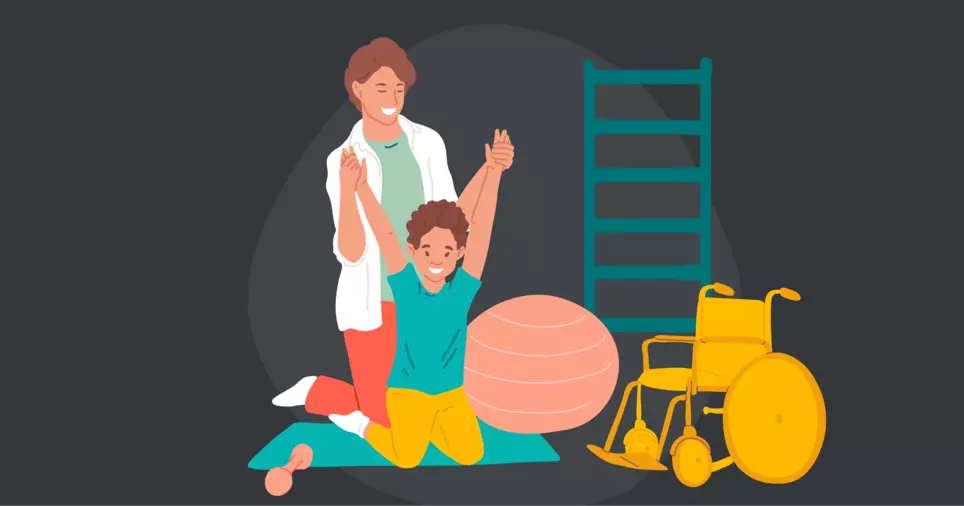
A comprehensive care team approach is essential at this stage. Physical and occupational therapy can help maintain muscle strength, mobility and independence with daily tasks. Working with therapists can help reduce contractures, prevent muscle wasting, and manage any pain or discomfort.
Consider exploring assistive devices Show Full Answer
A comprehensive care team approach is essential at this stage. Physical and occupational therapy can help maintain muscle strength, mobility and independence with daily tasks. Working with therapists can help reduce contractures, prevent muscle wasting, and manage any pain or discomfort.
Consider exploring assistive devices if not already using them. Options include mobility aids like canes, walkers, or wheelchairs based on individual needs. Braces and orthotics may also help support weakened muscles and prevent contractures. Mental healthcare support can be valuable during this transition to adulthood. Speaking with therapists or counselors can help navigate any emotional challenges. Additionally, cough-assist devices may be recommended to help maintain respiratory health and reduce infection risks.
Remember that early and consistent intervention with treatments and therapies is key. Many young adults with muscular dystrophy go on to attend college and pursue careers with proper support systems in place.
April 10, 2025







 Join



 Your Privacy Choices