

Connect with others who understand.

  •   Learn from expert-reviewed resources
  •   Real advice from people who’ve been there
  •   People who understand what you’re going through
Sign Up Log In
Powered By
Real members of myMDteam have posted questions and answers that support our community guidelines, and should not be taken as medical advice. Looking for the latest medically reviewed content by doctors and experts? Visit our resource section.
February 23
 · 
Reactions
A myMDteam Member

My brother and I were in the Philadelphia Hospital study with Dr. Huburtson. My brother was sent to NY for biopsies. He had a much more severe cast and diagnosed at 18. All 7 tested and my brother Jim and I. Mine was late on set. Im 60 and my brother passed at age 42.

July 28
A myMDteam Member

Hi. I have FSHD. I was born with it and my muscles have gradually gotten weaker throughout my life. I'm a week away from turning 71. I was a rare case and research patient as a child in hospitals in Philadelphia. I was even written up in an AMA journal back then. I didn't follow the usual symptoms of FSH, but have the basic facial, scapula weaknesses. Now, my arms have gotten weaker over the past year. Any questions you have, maybe I can answer.

May 26
myMDteam

How common is adult-onset FSHD, and how does it typically affect physical activity?

Adult-onset FSHD is actually the most common presentation of this condition. FSHD usually appears before age 20, though symptoms can start at any age from childhood through adulthood. For men, symptoms typically begin by age 20, while women Show Full Answer


How common is adult-onset FSHD, and how does it typically affect physical activity?

Adult-onset FSHD is actually the most common presentation of this condition. FSHD usually appears before age 20, though symptoms can start at any age from childhood through adulthood. For men, symptoms typically begin by age 20, while women often see symptoms start around age 30 - which aligns closely with your experience at 32.

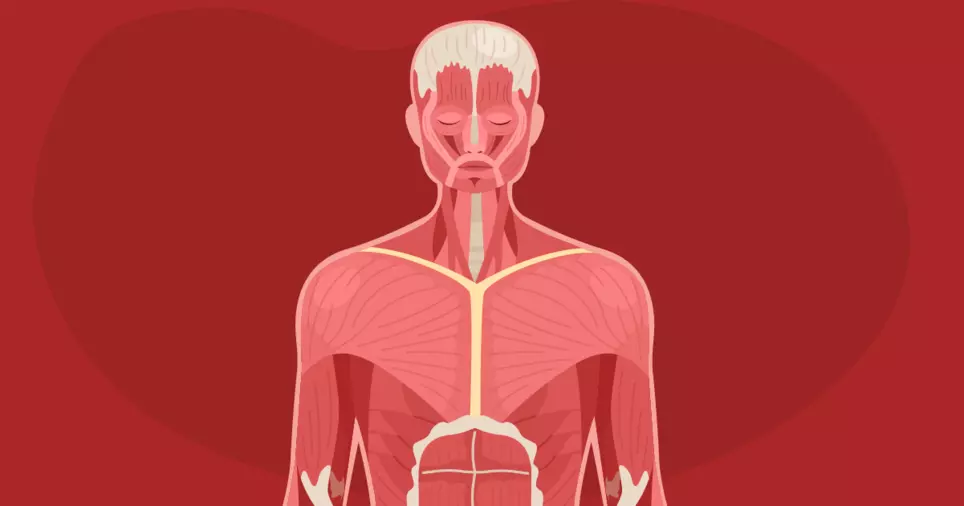
It's understandable that FSHD would have such a significant impact on weightlifting. The condition primarily affects the face, shoulders, and upper arms, causing progressive muscle weakness. The shoulder blade muscles are particularly affected, which can make it difficult to raise your arms above your head or lift objects - movements that are essential for weightlifting.

As FSHD progresses, it can also affect the abdomen, hips, and legs, which would further impact strength training activities.

FSHD affects an estimated 1 in 14,000 to 1 in 20,000 people, though newer research suggests the actual number may be higher - possibly as many as 40,000 people in the U.S. Many members of myMDteam share experiences with FSHD and understand the challenges of adapting to muscle weakness, especially when it affects activities you're passionate about.

While there's no cure yet, physical therapy and light to moderate exercise can help maintain strength without overworking affected muscles.

February 23

Related Questions

View All
A myMDteam Member asked a question 💭
Charleston, SC

Continue with Facebook
Continue with Google
By joining, you accept our Terms of Use, and acknowledge our collection, sharing, and use of your data in accordance with our Health Data and Privacy policies.
Already a member? Log In